
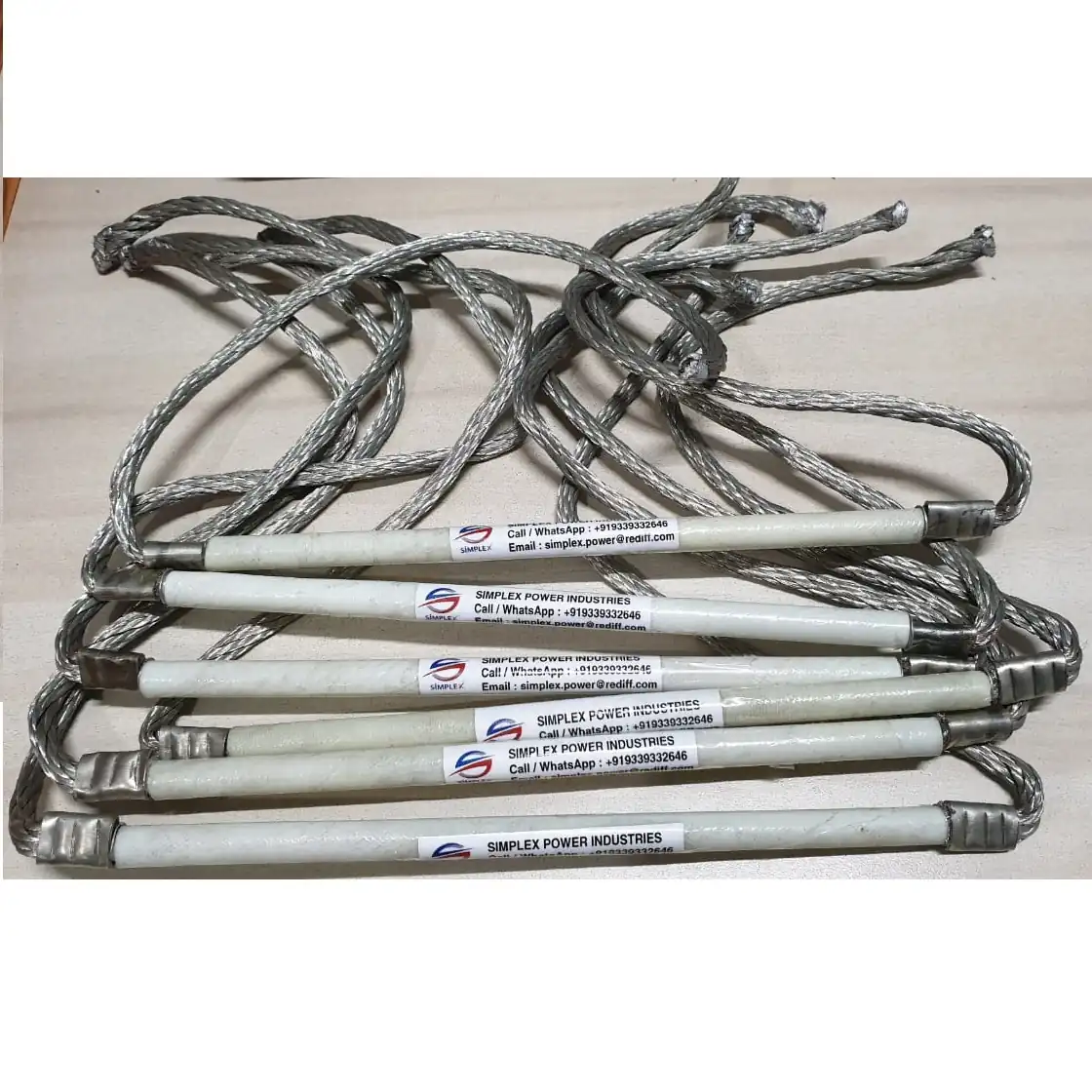
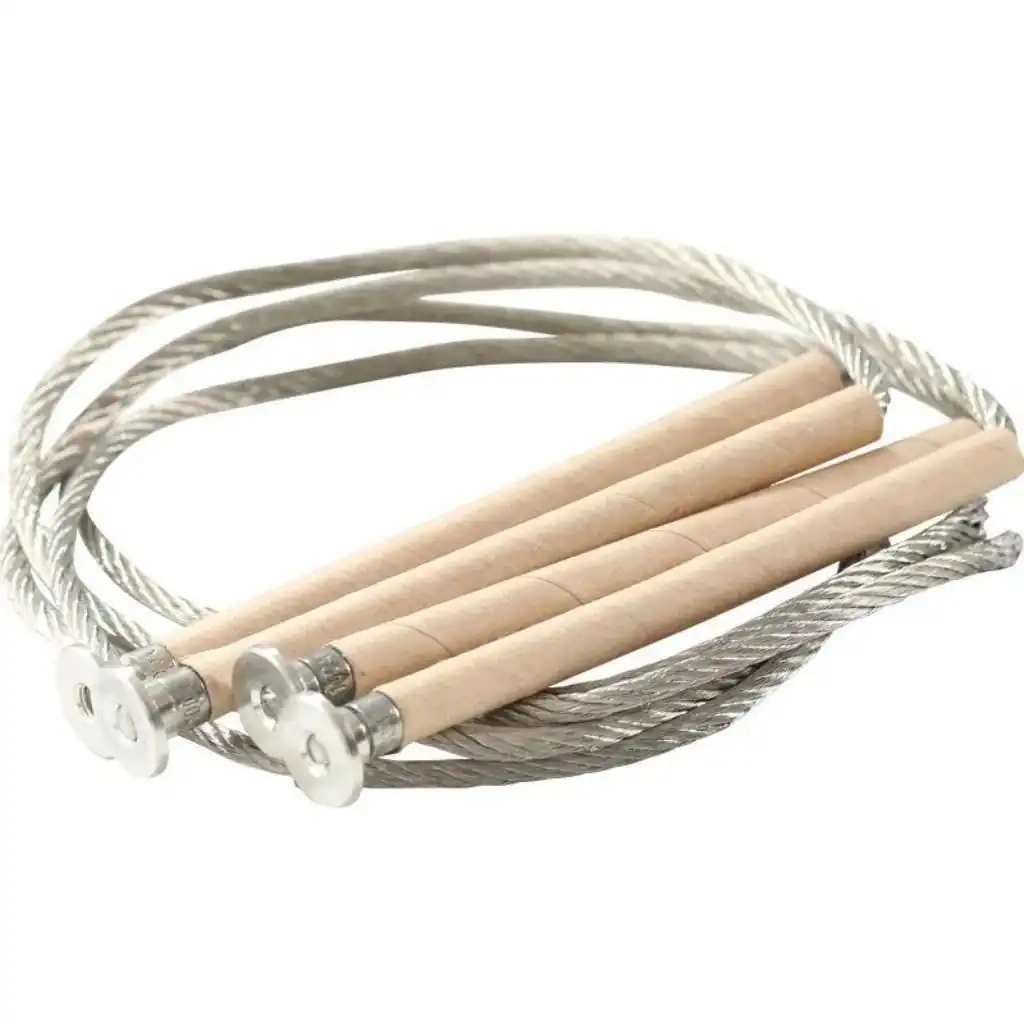
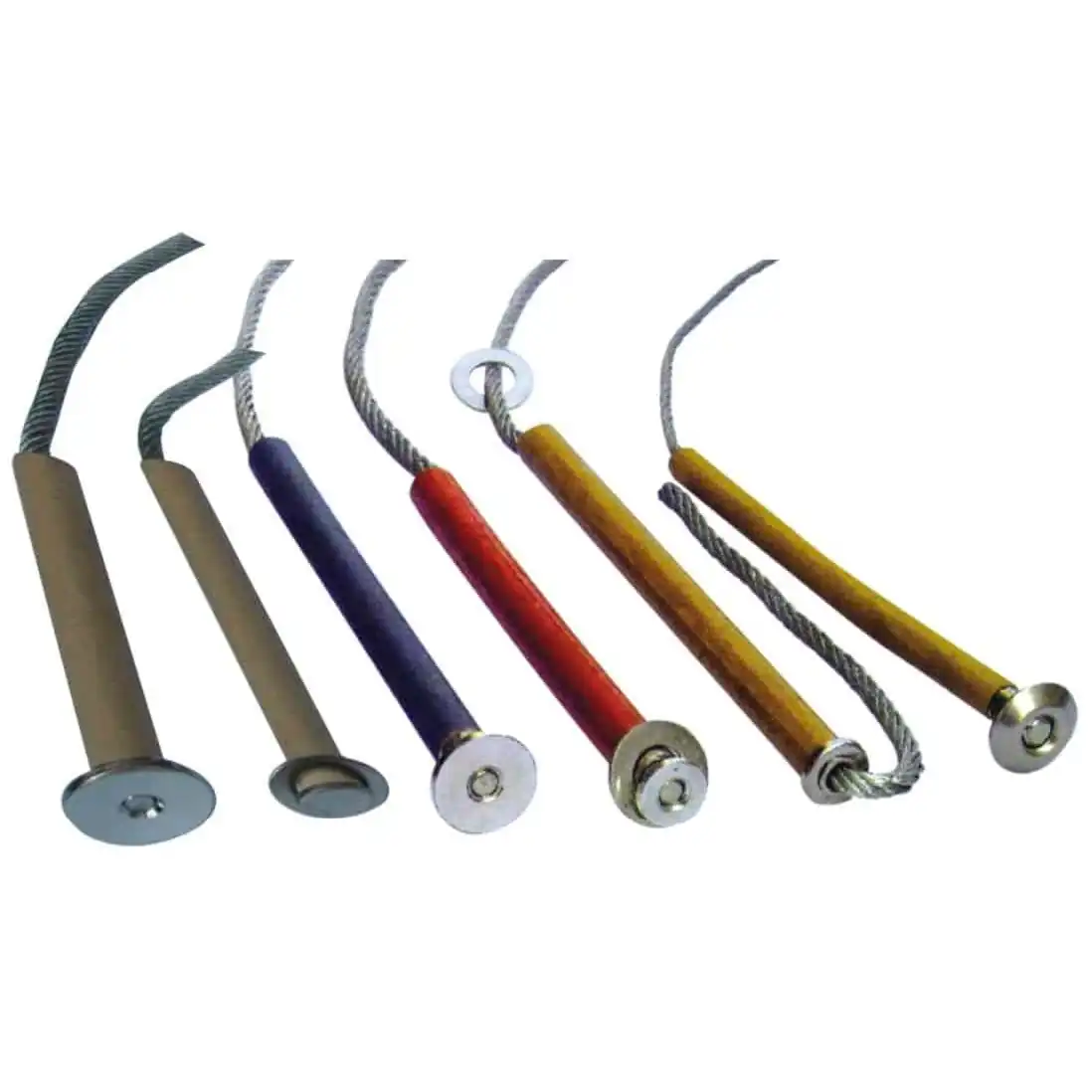
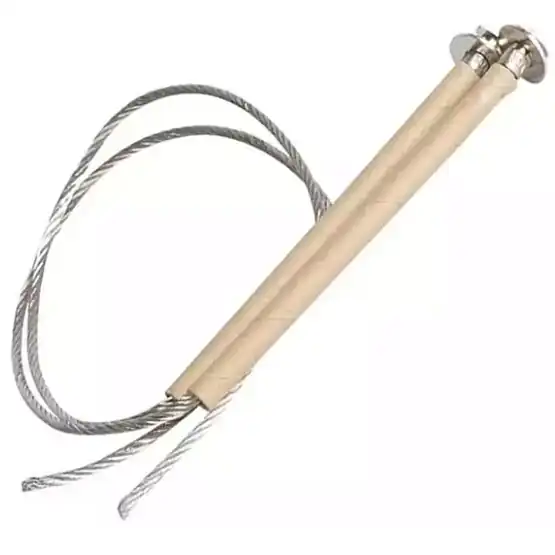
A Drop Out Fuse Element is the replaceable part inside a DO Fuse that melts during an over current or short circuit fault. It’s used in power distribution systems to protect transformers and other equipment from overloads and short circuits. This Fuse Link is designed to “Drop Out” or disconnect the circuit when a fault occurs, ensuring the safety and stability of the electrical network. It’s main parts are :
- Fuse link assembly : The complete replaceable unit containing the fuse element, terminals, and connecting parts.
- Fuse element : A calibrated metal wire or strip that melts when current exceeds the rated value.
- Strain Wire (or Tension Wire) : Provides mechanical strength and keeps the fuse link under tension.
- Flexible lead : Connects the fuse element to the lower terminal and allows movement when the fuse operates.
- Upper terminal (Top cap) : Connects the fuse link to the upper contact of the fuse holder.
- Lower terminal (Bottom button/eyelet) : Connects the fuse link to the lower hinge contact.
- Arc-extinguishing section : Materials that help extinguish the electric arc when the fuse element melts (works with the fuse tube).
Drop Out Fuse Element’s Voltage & Ampere support
Drop Out Fuse Elements (DO Fuse Links) are commonly found with the following Voltage and Current rating (Amps) support :
- 11 KV 50 Amps
- 11 KV 100 Amps
- 11 KV 200 Amps
- 33 KV 50 Amps
- 33 KV 100 Amps
- 33 KV 200 Amps
- 33 KV 400 Amps
How a DO Fuse Link is function
DO Fuse Link is a critical components in electrical distribution systems, mainly designed to provide over current protection. The functionality of a DO Fuse Link revolves around its essential parts and the supporting structure. The Fuse Link, typically made of a conductive metal such as copper or aluminum, is the part that melts when the current exceeds a predetermined threshold, thereby interrupting the electrical circuit.
The operation of a DO Fuse Link begins when electrical current flows through the system under normal conditions, allowing it to handle the load without any interruption. When an electrical fault occurs, such as a short circuit or overload, the excessive current causes the Fuse Link to reach its melting point which effectively disconnects the faulty section of the network from the supply.
This disconnection is essential for the protection of other equipment and the overall integrity of the electrical distribution network. The design features of these elements ensure that they respond quickly and reliably to fault events, which is vital for maintaining system safety.
Additionally, this Fuse Element can be easily replaced after operation, allowing for quick restorations of service without the need for extensive repairs.